Cheese cutting can often seem mundane, but what if we told you there’s a tool known for its role in construction and metalworking that can revolutionize your cheese experience? Enter the hacksaw! While traditionally used for cutting metal and plastic, this versatile tool can be employed in creative ways to enhance your cheese cutting and preparation process.
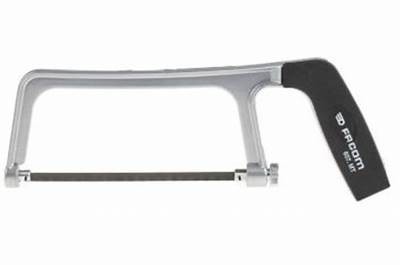
Before diving into the hacksaw’s cheese-cutting applications, it's essential to understand the anatomy of this tool. A hacksaw typically consists of a frame, a blade, and a handle. The serrated edge of the blade, designed for cutting through tough materials, can also make it exceptionally effective for cutting through different types of cheese – from hard cheddar to creamy brie.
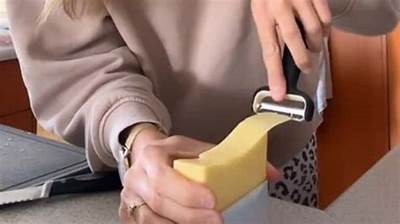
Choosing the right type of cheese for your hacksaw experiment is paramount. Hard cheeses, such as Parmigiano-Reggiano or aged Gouda, benefit immensely from a hacksaw’s precision. These cheeses often struggle with regular knives, which can leave behind unsightly crumbly bits. On the other hand, softer cheeses may require a gentler approach but can still be cut with a hacksaw for those looking for unconventional ideas.
While the thought of using a hacksaw may spark excitement, safety is crucial. Ensure you have protective eyewear and gloves, as cheese cutting can sometimes lead to slipping or unexpected accidents. Grip the hacksaw firmly and ensure the cheese is stable on a cutting board. This precaution will minimize any risk during the cutting process.
The first step in using a hacksaw effectively is to secure the cheese. Use a cutting board and place the cheese firmly on it, ensuring there’s no movement. Begin with light pressure and make smooth, controlled cuts using sawing motions rather than a direct application of force. This will help to minimize crumbling and ensure clean, even slices.
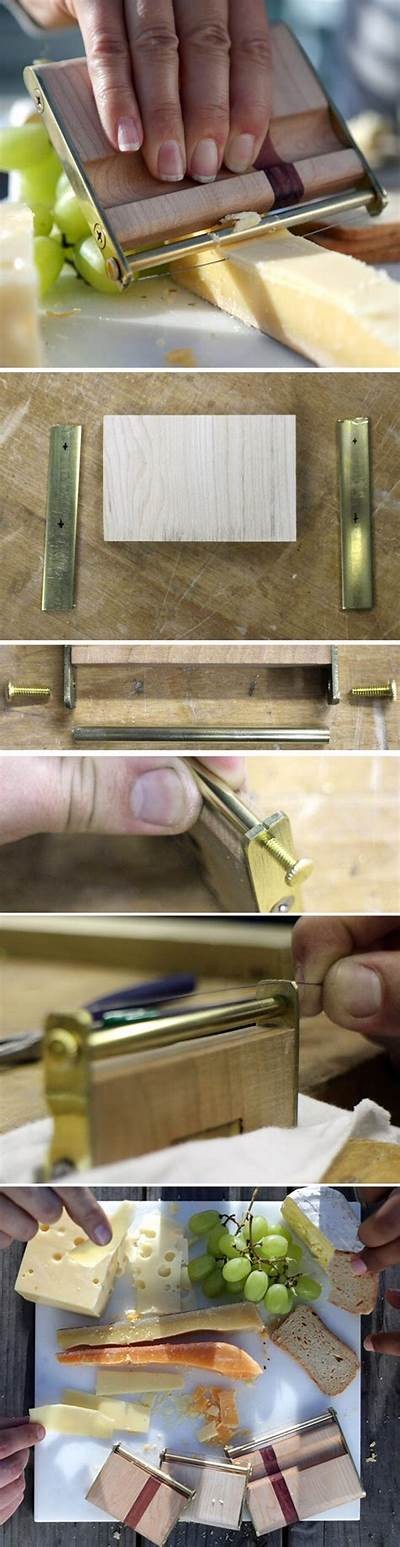
Beyond basic cutting, a hacksaw can be used to create intricate cheese shapes. Cut thin slices and stack them to create layered presentations. You can also carve out cheese blocks into decorative shapes—ideal for platters or themed parties. Use cookie cutters after making the initial hacksaw cuts to achieve your desired shapes with precision. The Cheese Platter Revolution
Using a hacksaw allows you to create a visually stunning cheese platter. Combine various textures and colors by cutting different types of cheese into uniform sizes and shapes. This attention to detail can elevate any gathering, transforming a simple cheese board into an artistic display that guests will find mesmerizing. Pairing Cheese with Other Foods
Hacksaws can also facilitate wonderful cheese pairings. Use the hacksaw to slice cheese into smaller pieces that can be paired with different foods, such as fruits, meats, and nuts. Perfectly cut cheese pieces can easily complement wine selections, enhancing the overall tasting experience. Whether you're entertaining guests or enjoying a quiet evening at home, these pairings can enhance the flavors of the cheese and the accompanying ingredients. Easy Cheese Preservation Techniques
Aside from cutting cheese, hacksaws can be used creatively for cheese preservation. For example, using a hacksaw to create smaller, manageable pieces of cheese can help maintain freshness. Store cut pieces in airtight containers to ensure they stay flavorful for longer. This technique minimizes waste while providing you with ready-to-eat cheese portions. Experimenting with Cheese Textures
One of the most fascinating aspects of cheese is its variety of textures. A hacksaw allows you to explore these different textures more vividly. Experiment by cutting different cheeses into various thicknesses and examining how each reacts when paired with wine or other food. This sensory exploration can be educational and enjoyable, enhancing your knowledge about cheese. Innovative Cheese-Based Recipes
Using a hacksaw opens up avenues for innovative cheese recipes. Try incorporating your freshly cut cheese into dishes such as lasagna, salads, or gourmet sandwiches. The key is to experiment and find the right balance of flavors. Hacksawed cheese can also serve as an excellent melting cheese for fondue dishes, where texture is key. Cleaning and Maintenance of Your Hacksaw
After engaging in your cheese adventures, giving your hacksaw proper cleaning is essential. Cheese residue can build up on the blade, affecting its performance. Clean the blade with warm soapy water and dry it thoroughly before storage. This will ensure your tool remains in excellent condition for future cheese cutting and preparation tasks. Conclusion: The Hacksaw as an Unlikely Kitchen Companion
While it may seem peculiar to use a hacksaw for cheese cutting, it has proven to be an innovative and effective tool in cheese preparation. Not only does it allow for efficient cutting and shaping, but it also opens doors to creative possibilities that can enhance any cheese lover's experience. So, the next time you prepare your cheese platter, consider picking up a hacksaw to revolutionize the way you cut and serve cheese. Related Tags