How to Explore the Benefits of Play for Child Development and Lifelong Learning
Introduction to the Importance of Play
Play serves as a fundamental aspect of childhood, playing a critical role in the holistic development of children. It is more than just a leisure activity; play is a vital way through which children absorb knowledge, develop social skills, and foster creativity. By engaging with their environment and peers through play, children enhance cognitive, emotional, and physical growth. Understanding how to explore and harness the benefits of play can contribute to effective teaching methods and lifelong learning strategies.
The Role of Play in Cognitive Development
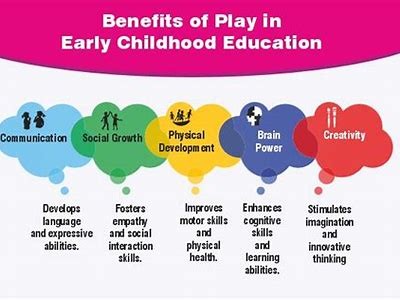
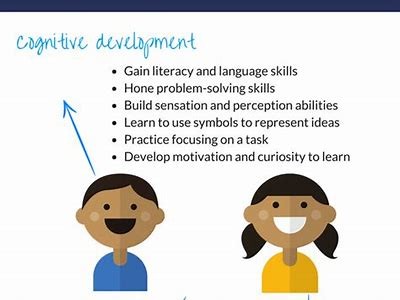
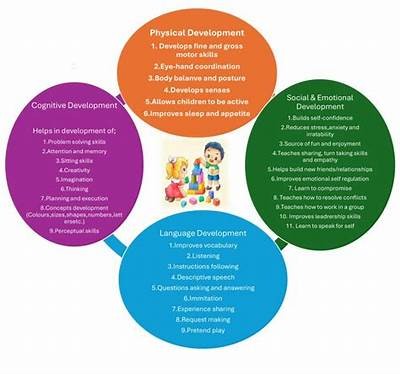
Cognitive development refers to the progression of a child’s ability to think, reason, and understand the world. During play, children engage in problem-solving, decision-making, and critical thinking. Activities such as puzzles, building blocks, and imaginative games stimulate neural pathways that enhance memory, attention span, and language acquisition. Play-based learning environments encourage experimentation and exploration, which are crucial for intellectual growth.
Social and Emotional Benefits of Play
Play is an effective tool for promoting social interaction and emotional regulation. Through group play, children learn to cooperate, share, negotiate, and resolve conflicts. These social interactions build empathy and improve communication skills. Additionally, imaginative play allows children to express their emotions and develop self-regulation strategies. Play provides a safe space for children to explore their feelings and experience emotional resilience, preparing them for future interpersonal relationships.
Physical Development Through Play
Engaging in physical play activities—such as running, climbing, or sports—supports the development of fine and gross motor skills. Physical play enhances coordination, strength, and balance, contributing to overall health and well-being. Moreover, active play promotes brain development by increasing blood flow and stimulating brain plasticity. Incorporating outdoor play into a child's routine can also combat sedentary lifestyles and foster a lifelong habit of physical fitness.
Creative Expression and Play
Play encourages children to use their imagination and creativity, which are vital for problem-solving and innovation. Artistic play, including drawing, painting, and role-playing, nurtures expressive skills and cognitive flexibility. Creative play challenges children to think outside the box and explore new ideas, which benefits intellectual curiosity and adaptability. Developing these creative competencies early on lays the foundation for future academic and professional success.
Play as a Foundation for Lifelong Learning
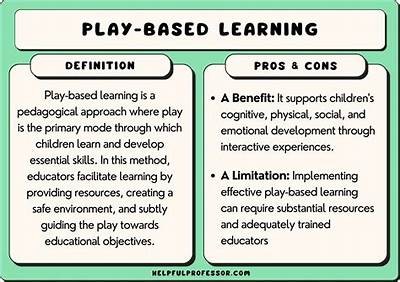
The benefits of play extend beyond childhood and form the basis for lifelong learning. Play nurtures intrinsic motivation and a love for discovery, crucial traits for continuous personal and professional development. Individuals who engage in playful learning tend to be more open to challenges, resilient in the face of failure, and collaborative in diverse environments. By integrating play into educational systems and adult learning, we can foster environments where creativity and innovation thrive.
How Caregivers and Educators Can Support Play
Caregivers and educators play a pivotal role in facilitating enriching play experiences. Creating safe, stimulating, and inclusive play spaces encourages children to explore and engage freely. Adults should balance structured activities with child-led play, allowing autonomy while providing guidance when necessary. Observing children’s play can offer valuable insights into their developmental needs, enabling tailored support. Additionally, promoting diverse play contexts—indoors, outdoors, solitary, and group play—ensures comprehensive growth.
Challenges and Considerations in Modern Play
Despite its benefits, play faces challenges in the contemporary world. Increased screen time, structured schedules, and lack of safe play spaces can limit children's opportunities to engage in meaningful play. Additionally, socio-economic factors and cultural attitudes may restrict the types and amounts of play children experience. It is essential to advocate for policies and community initiatives that prioritize play as a fundamental right and developmental necessity for every child.
Conclusion: Embracing Play for a Bright Future
Play is a powerful engine for child development and an enduring catalyst for lifelong learning. By recognizing and promoting the multifaceted benefits of play, parents, educators, and policymakers can create nurturing environments that support the physical, cognitive, social, emotional, and creative growth of children. Understanding the science behind play empowers us to design more effective educational approaches and prepare future generations for the challenges and opportunities of life through joyful and meaningful play experiences.